
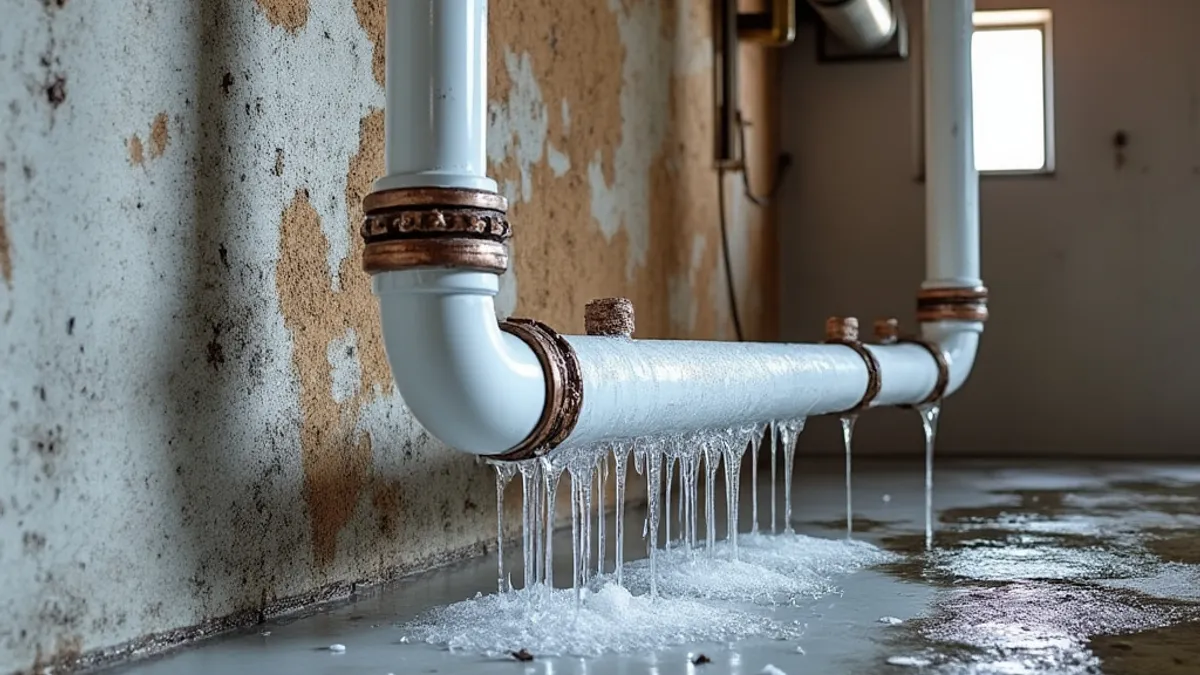
Clean water
Water from a sanitary source — a broken supply line, a water heater, a tub left running. ANSI/IICRC S500 notes it does not stay Category 1 forever: time, temperature and contact with building materials can push it into Category 2 or 3.
Serving all of Hayward · Open 24/7 · (510) 941-1100
Welcome to the vibrant communities of Hayward and beyond, where homes sit beautifully on either raised foundations over crawl spaces or slab-on-grade construction. In neighborhoods like San Lorenzo Village, older homes often face challenges unique to the area such as shifting foundations due to the steady creep of the Hayward Fault. When atmospheric river events hit, flooding can occur, damaging both the home and your peace of mind. When you call (510) 941-1100, our United Water Restoration Group of Hayward team responds quickly, ready to address flood damage with a thorough plan to restore your property and sanity.
Hayward's geographical and structural nuances make flood damage a common challenge for homeowners. Especially during heavy atmospheric river events, neighborhoods like Castro Valley, with their hillside homes, see increased water runoff, which can lead to significant water intrusion issues. Unlike other cities, many homes here may experience water penetration through crawl spaces, a fact that's often overlooked until significant mold growth occurs.
Moreover, older subdivisions such as those in San Lorenzo and San Leandro have aging infrastructure. These homes are more prone to pipe failures, exacerbating water damage. Our team at United Water Restoration of Hayward understands these local challenges. We specialize in addressing these issues head-on with services tailored to address both immediate and long-term threats to the property.
Our flood damage cleanup process begins with comprehensive water extraction, using state-of-the-art equipment like low-grain refrigerant dehumidifiers and powerful air movers. We meticulously carry out moisture mapping through moisture meter readings and thermal imaging inspection to identify areas of concern. Each step is crucial to preventing secondary damage, such as mold growth, which is prevalent in the moisture-rich environment of Hayward’s crawl spaces.
Our certified IICRC technicians ensure structural drying aligns with industry standards, taking care not to affect salvageable materials. Measures include setting containment barriers and using negative air machines to control the affected environment. To ensure health and safety, antimicrobial treatments are applied as needed, helping prevent mold issues from arising post restoration.
When flood damage occurs, insurance claims can add stress to an already taxing situation. Our team is adept at guiding customers through this process, working closely with you and your insurance adjuster. An accurate and comprehensive scope of work is vital. We provide thorough documentation, including daily drying logs, relative humidity tracking, and precise industry-standard estimating, ensuring that claims reflect the full extent of damages.
Our clear communication with both clients and insurance providers mitigates misunderstandings and speeds up the resolution process. This results in a more seamless experience for homeowners and a quicker return to normalcy. "United Water Restoration was fast, reliable, and very thorough. Everything was clearly explained," said Adrian, underscoring our commitment to transparent service.
A few minutes of the right first moves can save thousands in damage. Here is what to do — and what not to do — before we arrive.
Crews are standing by in Hayward right now.
Call (510) 941-1100How It Works
The hardest part of property damage is facing it on your own. You do not have to — from the first phone call, it is our job, not yours.
Step 01
Our experts begin with a thorough inspection to assess the flood damage. This involves moisture mapping and thermal imaging inspections to evaluate the extent of water intrusion.
Step 02
Utilizing high-powered extraction units, we remove standing water efficiently. Our focus is on minimizing secondary damage and preparing the site for comprehensive drying.
Step 03
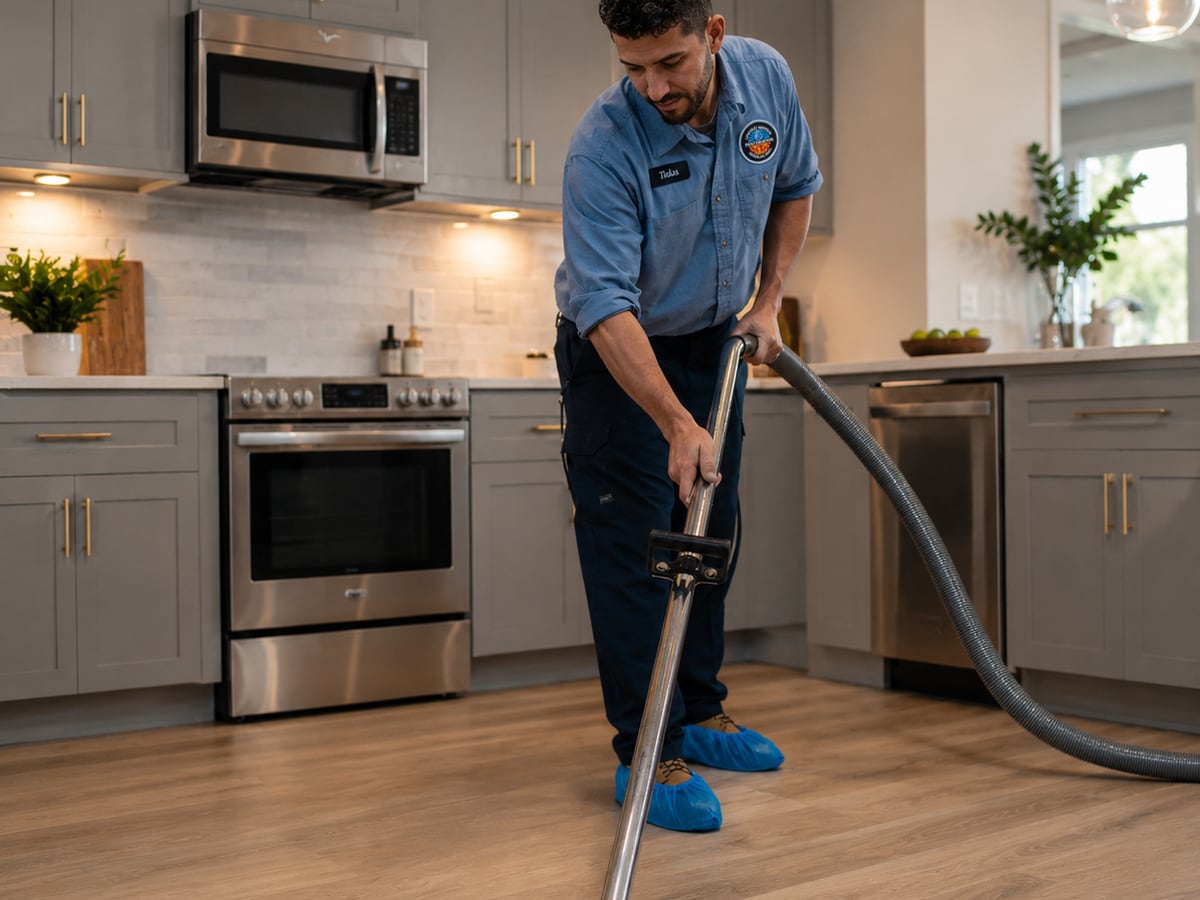
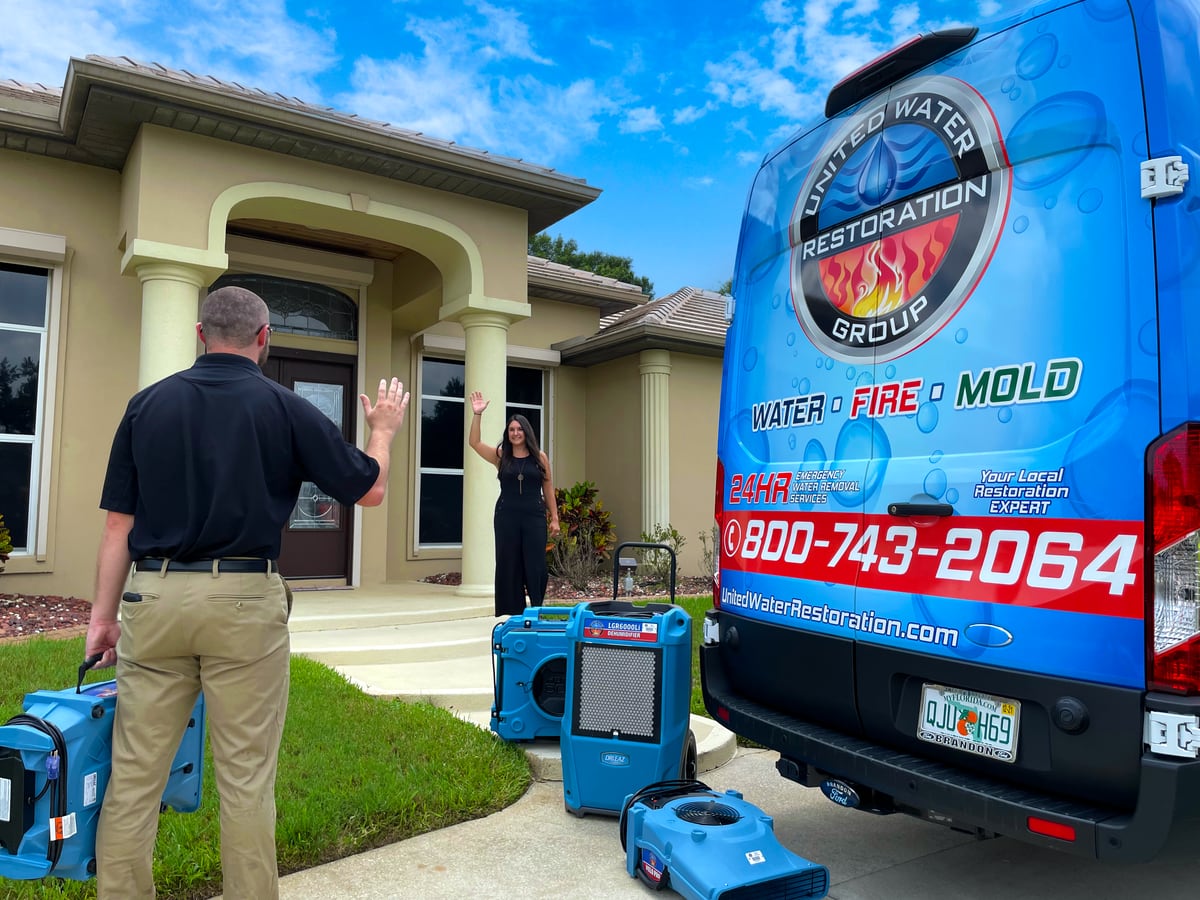
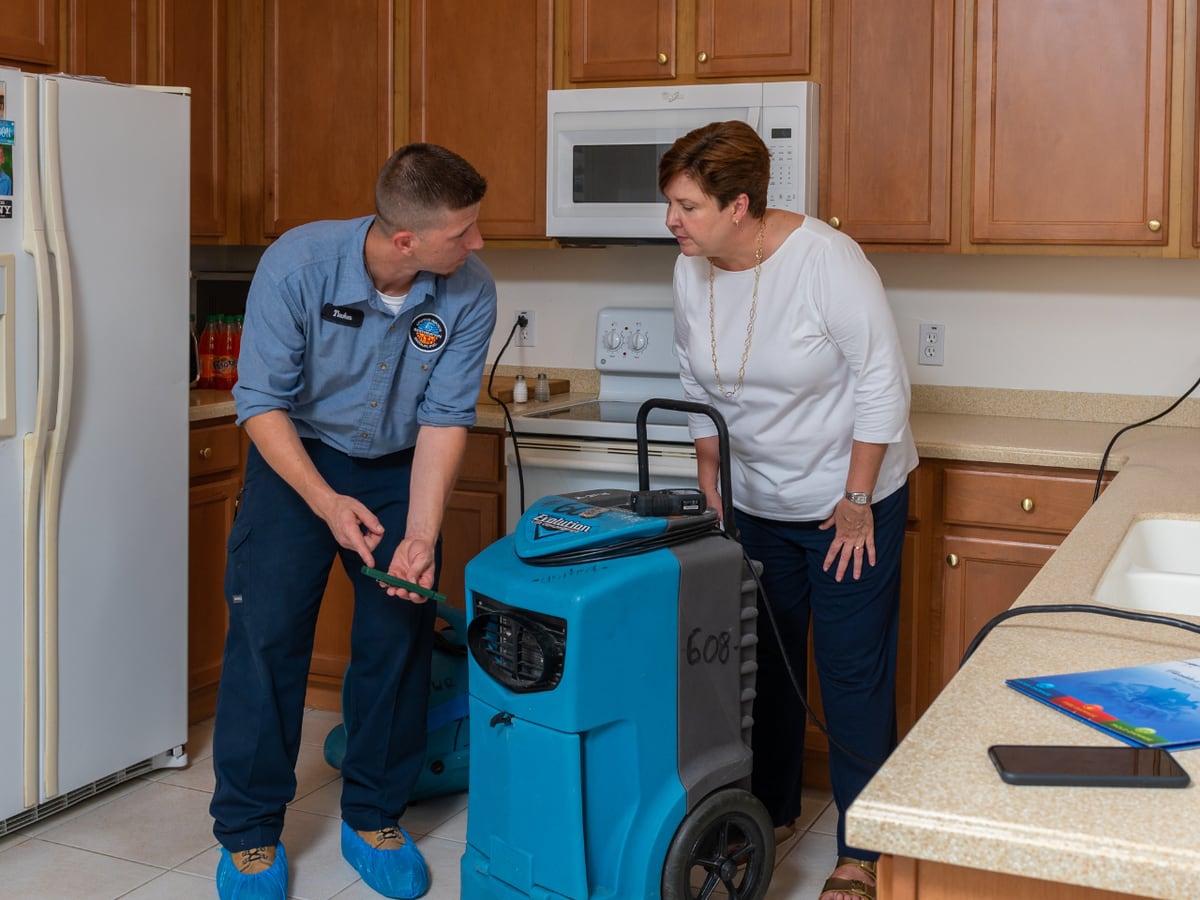
We employ air movers and dehumidifiers, including LGR dehumidifiers, to ensure effective drying. Daily moisture meter readings guide us until the moisture levels are safe.
Step 04
Antimicrobial treatments are applied to affected areas to prevent mold growth. This critical step protects the health of the household and the integrity of the building.
Step 05
A final walkthrough ensures all areas meet IICRC standards. We provide thorough documentation, including drying logs and scope of work, to assist with insurance claims.
The restoration standard sorts water by how contaminated it is, and that classification — not how much of it there is — decides what can be dried and what has to go.
Water from a sanitary source — a broken supply line, a water heater, a tub left running. ANSI/IICRC S500 notes it does not stay Category 1 forever: time, temperature and contact with building materials can push it into Category 2 or 3.
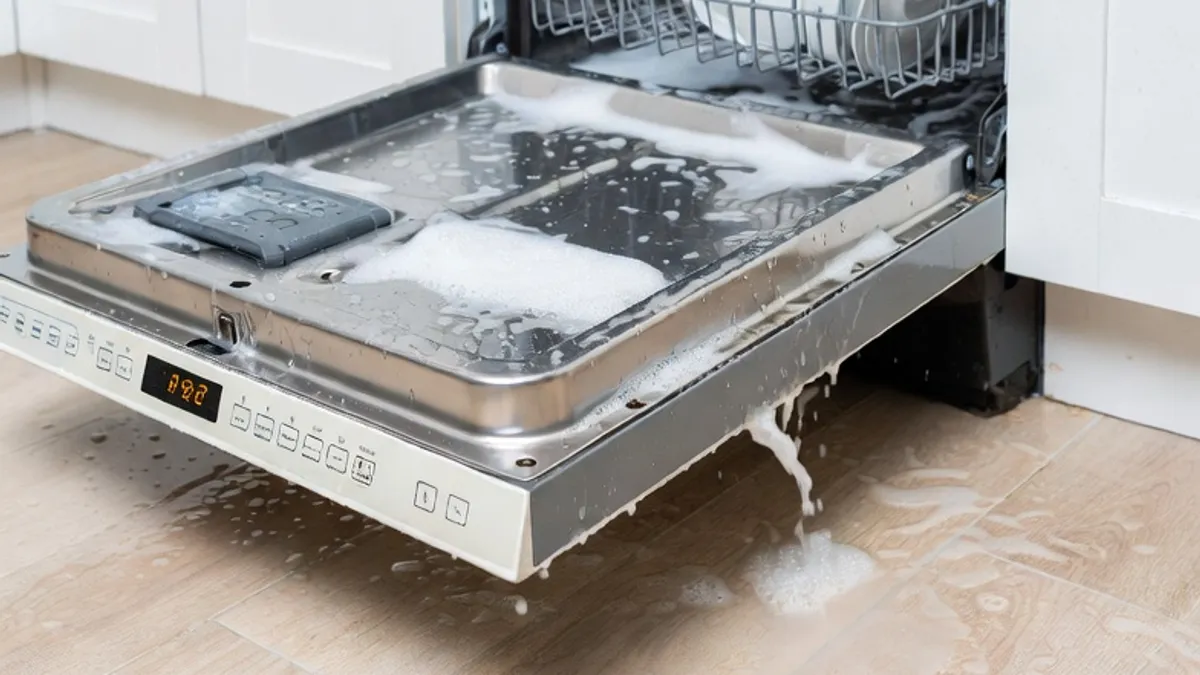
Water with significant contamination — enough that it could cause discomfort or illness if someone touched it or swallowed it. S500 puts dishwasher and washing-machine discharge, an overflow from the toilet bowl itself with urine but no feces, and seepage through a foundation under hydrostatic pressure in this group.
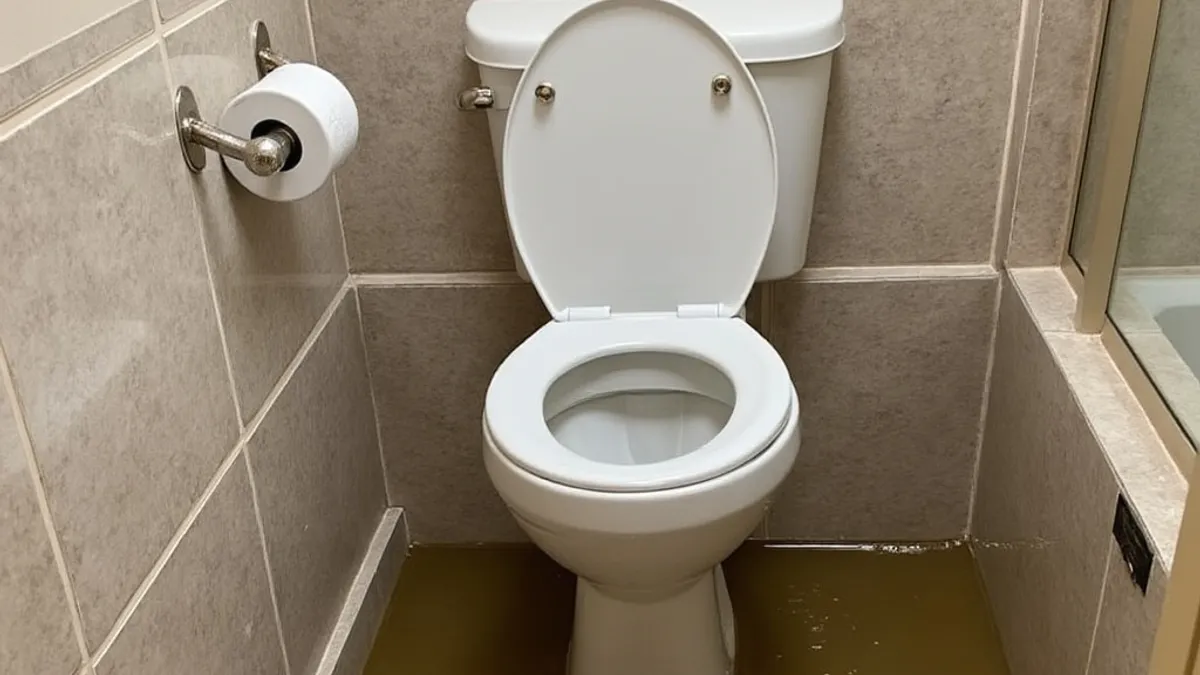
Grossly contaminated water that can carry pathogens — sewage, backups from past the toilet trap, and ground or surface water that has entered the building. S500 generally calls for porous materials that absorbed it, such as carpet cushion and insulation, to be removed rather than dried.
Classification per ANSI/IICRC S500, the industry standard for professional water damage restoration.
Water damage is not one event, it is a sequence. Each stage costs more to undo than the one before it, which is why drying starts before anything else does.
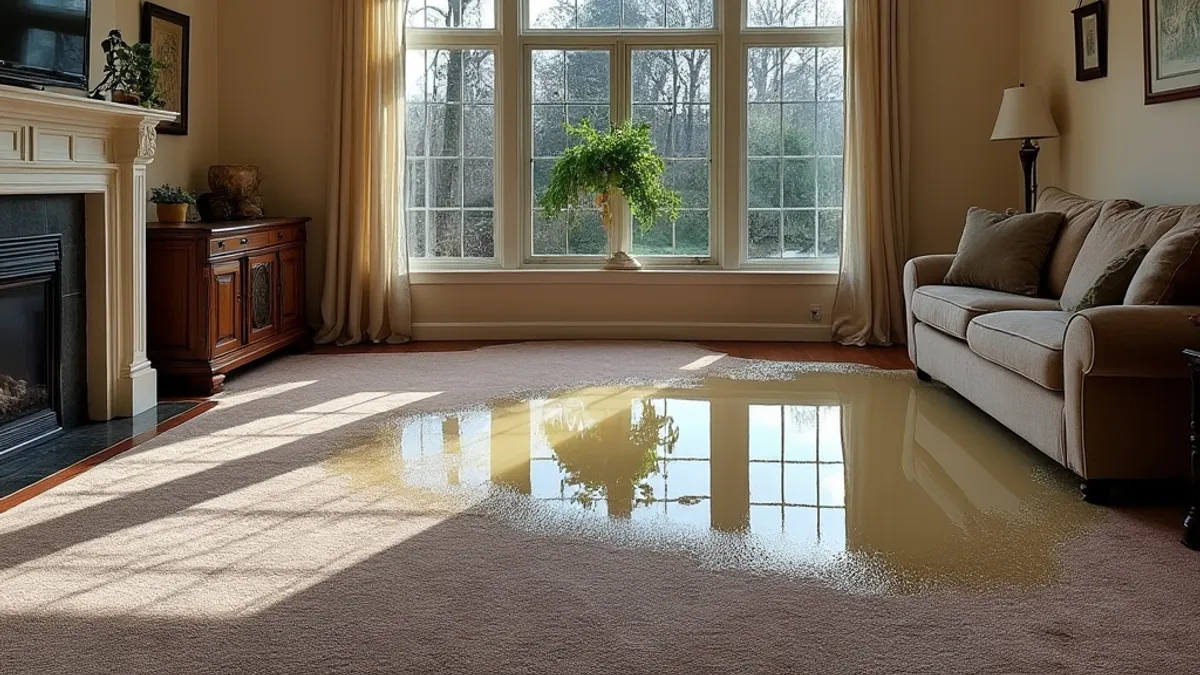
First hours
It runs along the floor and wicks upward into drywall, carpet cushion and insulation, so the wet area is already larger than the puddle you can see.
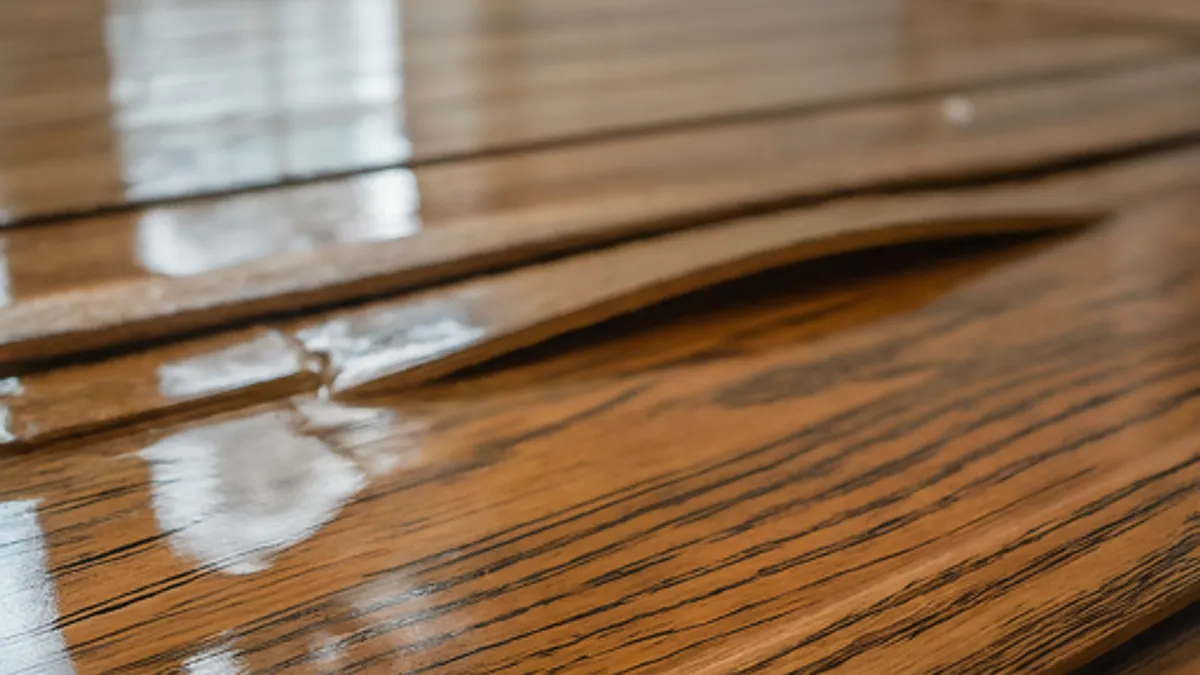
1–24 hours
Wood swells and cups, drywall softens, and anything made of pressed board or laminate begins to come apart at the seams.
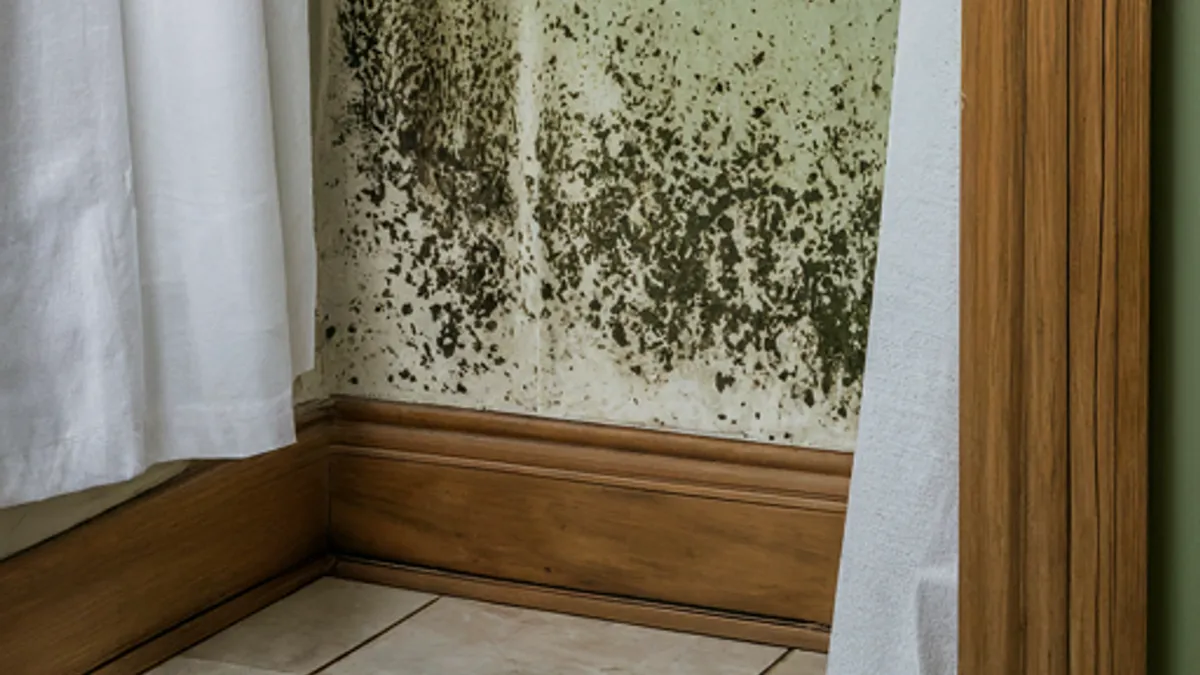
24–48 hours
EPA guidance is that wet material dried inside the first 24 to 48 hours will, in most cases, not grow mold. Past that window it can, and then the job is no longer only about water.
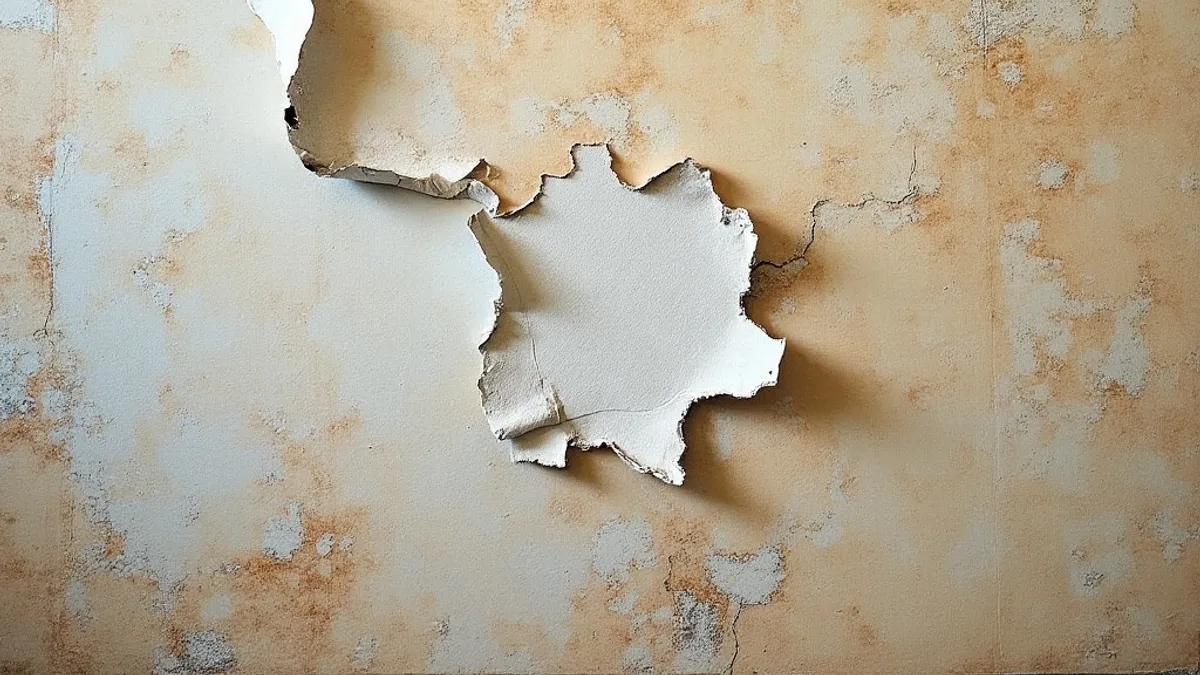
2–7 days
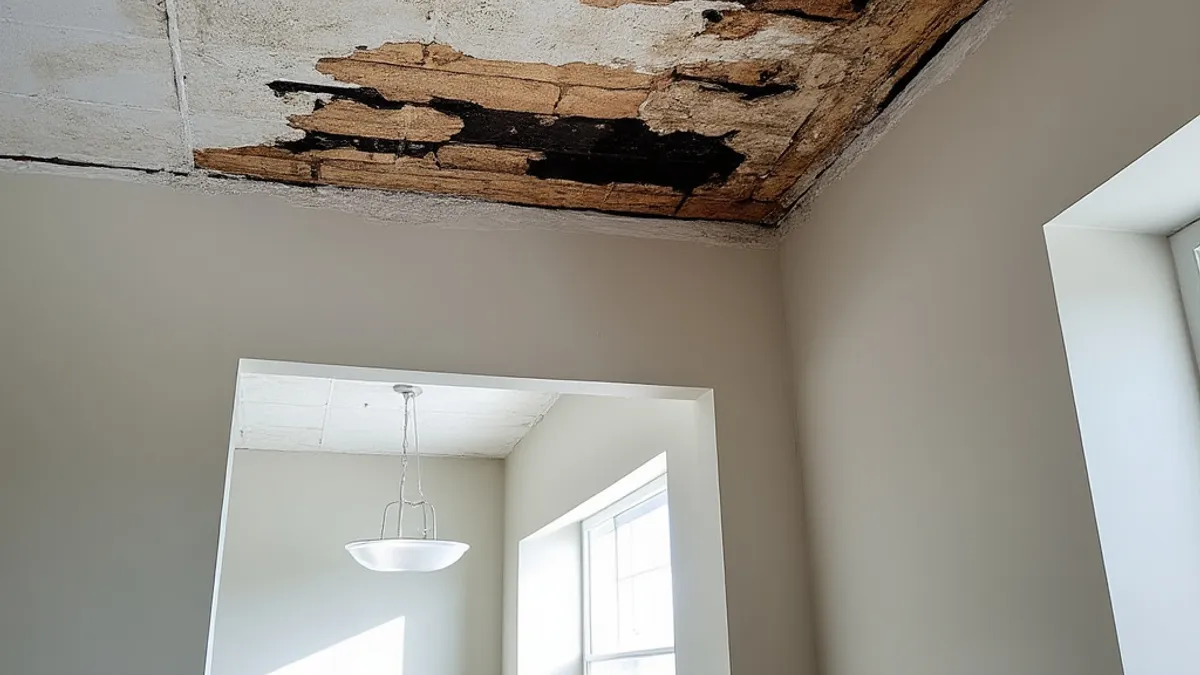
Paint and wallpaper let go, joints open up, and moisture travels through wall cavities into rooms that were never touched by the original leak.
1 week or more
Once structure and finishes have held water this long, the work shifts from drying materials out to cutting them out and putting new ones back.
Mold timing per US EPA guidance on moisture and mold. The other stages vary with the material, the temperature and how much water is involved.
Drying a structure is a measured process, not a matter of pointing fans at a wet floor. Each piece of equipment does one job in that sequence.
Vacuum systems, truck-mounted or portable, that pull standing water out of carpet, cushion and hard surfaces. S500 prioritises physically removing water first, because extraction takes out far more of it, far faster, than evaporation ever will.
Low-profile blowers aimed along a wet surface rather than at it. They peel off the thin layer of saturated air sitting on the material, which is what keeps evaporation from stalling.
Air movers move water out of materials and into the air; dehumidifiers take it back out of the room. Refrigerant units condense it on a cold coil and drain it off, desiccants pull it onto a drying medium. Evaporated water that is not removed raises humidity, and dry materials can take it back on — what S500 calls secondary damage.
Pin and pinless meters read how much water is actually inside wood, drywall and subfloor. S500 sets the finish line as a dry standard — readings taken from unaffected material of the same type in the same building — not how a room looks or feels.
Temperature and relative humidity readings taken inside the drying area, outside it, and at the dehumidifier outlet. Comparing the three shows whether the setup is genuinely pulling water out of the building or just stirring it around.
A thermal camera cannot see water — it sees temperature. Wet material usually reads cooler because evaporation cools it, so the camera narrows down where water travelled behind walls and where to put a meter next.
Sheeting seals the work area and a HEPA-filtered machine holds it under negative pressure, so dust and spores leave through the filter instead of drifting through the building. IICRC S520 treats containment and HEPA filtration as standard controls when contaminated material is disturbed.
Floor mats and structural cavity drying systems move air through wall and ceiling cavities, under flooring, and into enclosed spaces such as the void beneath cabinets. The aim is to dry an assembly in place — where the category of water or the state of the material allows it.
Equipment roles per ANSI/IICRC S500; containment guidance per IICRC S520 and EPA mold guidance.
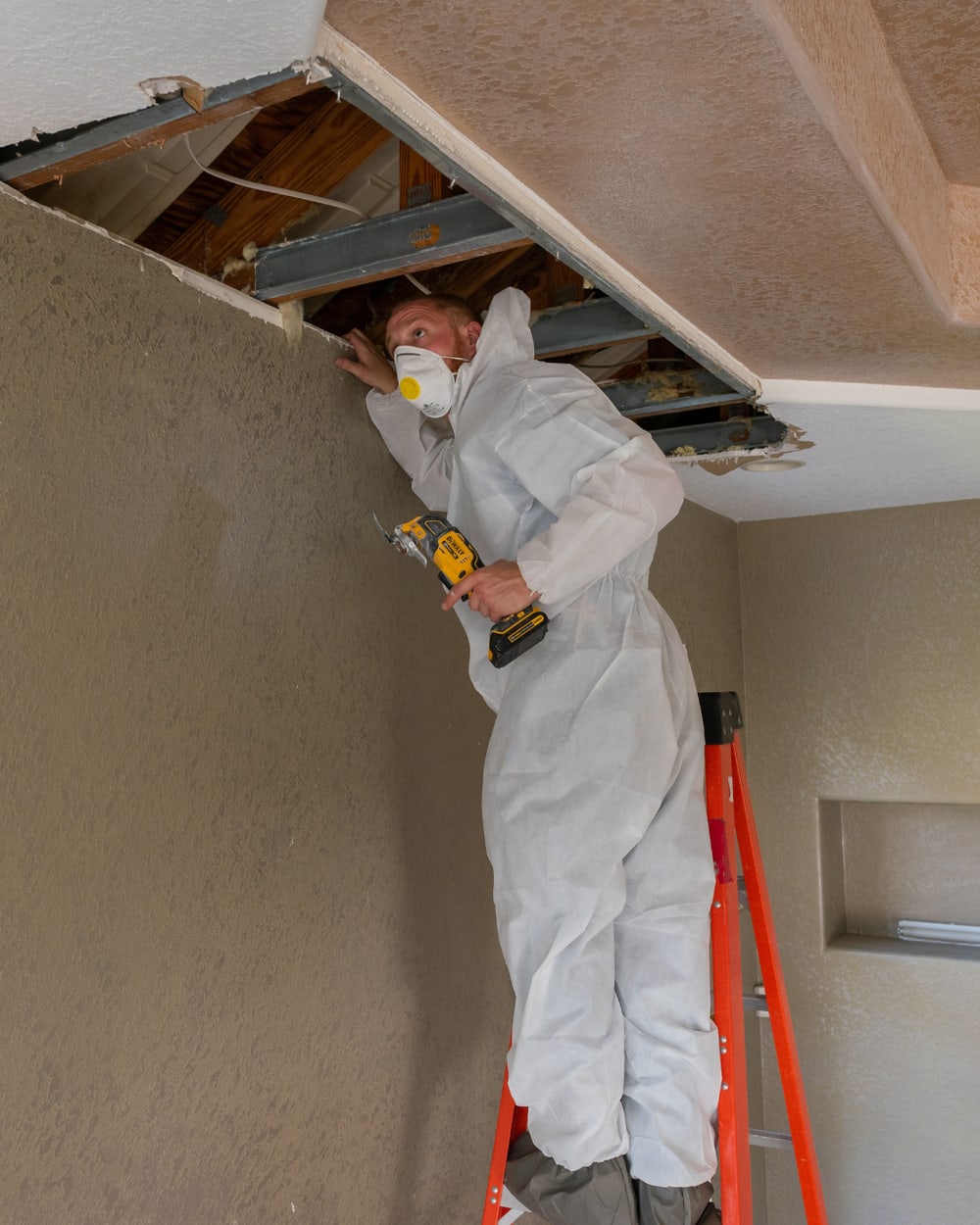
Drying in place is the goal, and it is often achievable. What decides it is the category of the water and what the material is made of — a measured judgement rather than a guess. Under ANSI/IICRC S500, porous materials that absorbed contaminated water are generally removed rather than dried, while materials wet by clean water can frequently be dried where they are.
Where an assembly has to be opened, it is opened deliberately: enough to reach wet insulation and framing, documented before anything is cut, and put back by the same company that took it out.
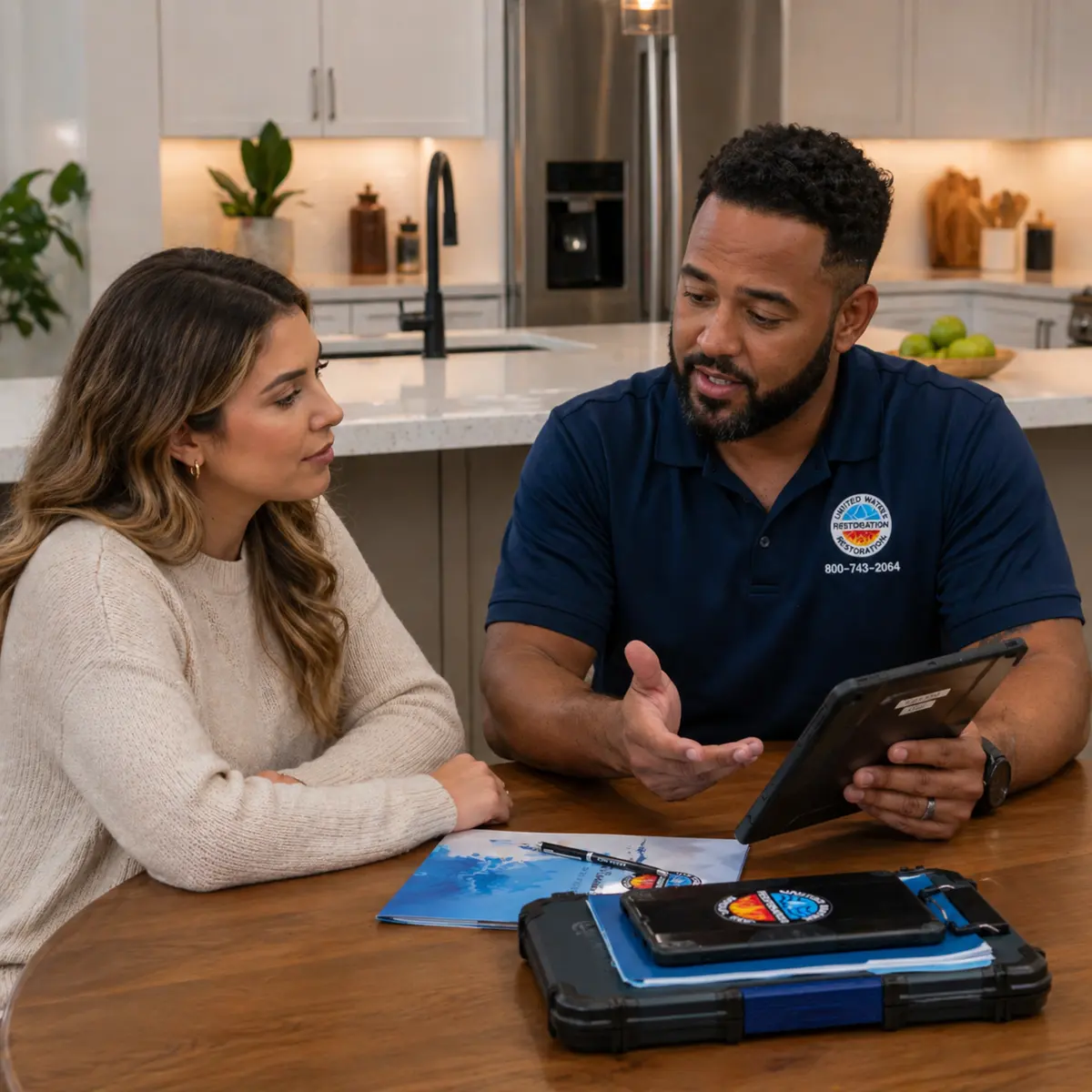
Restoration is stressful enough without fighting through a claim alone. Our crews document everything — photos, moisture readings, and a clear scope of work — in the format adjusters expect, and we communicate with your insurance company throughout the job. You always know what is happening and what your policy covers before work begins.









In Hayward and the surrounding areas, the unexpected can happen, but you can protect your home and family with the right support. United Water Restoration Group of Hayward is here to restore your peace of mind as fast as we restore your property. Acting swiftly can mean the difference between repair and replacement. Contact us immediately at (510) 941-1100 to handle your flood damage cleanup and ensure your home is safe and sound for years to come.
Our crews are local and dispatch around the clock — no subcontracted call center. Call (510) 941-1100, tell us what you are seeing, and we will give you an honest arrival window for your address and talk you through what to do until the crew gets there.
In most cases yes, depending on your policy and the cause of the damage. We document everything, use the same estimating standards insurance companies use, and work directly with your adjuster so the claim goes smoothly.
Every job is different, so we start with an inspection and give you a clear written estimate before any work begins. When insurance is involved, our scope lines up with your claim — no surprise bills.
We are local to Hayward, certified to IICRC industry standards, available 24/7, and we handle everything from emergency cleanup through full reconstruction — one team, start to finish.
What you can see is the surface. Subfloor, wall cavities and insulation hold water long after a floor feels dry underfoot. EPA guidance is to dry water-damaged areas and materials within 24 to 48 hours, because in most cases that is what keeps mold from starting — and the only way to know a material is dry is to measure it.
By measurement, not by calendar. ANSI/IICRC S500 works from two reference points: a dry standard, which is a reasonable approximation of a material’s moisture content before the water got in, and a drying goal for the end of drying. The dry standard is commonly established by reading unaffected material of the same type in the same building, and readings are recorded as drying progresses.
Often, though not always, and it is decided by moisture readings rather than by how bad the cupping looks. Wood cups because the underside is wetter than the top, and specialty mat systems can draw that water back out through the surface. Two things usually end the conversation: water that sat long enough to delaminate an engineered plank, and contaminated water that got underneath. Sanding is the last step, never the first — a floor sanded flat before it finishes drying will crown as it dries.
Please leave it running. Drying is a continuous cycle of evaporation and dehumidification, so hours with the equipment off are hours the materials sit wet. Ask the crew to reposition or re-angle a unit if a room is impossible to sleep in, and if the running cost is the worry, raise it with your adjuster.
Usually not as a first step. EPA guidance is that sampling is generally unnecessary when mold is already visible, because the response is the same either way: fix the moisture and remove the growth. Testing earns its place in narrower situations — confirming a suspected hidden source, or documenting conditions when something is in dispute.
It can, and it is worth knowing before you file. Many homeowners policies draw a line between a sudden, accidental discharge and damage that developed gradually, and the wording varies from policy to policy. Read your own coverage and ask your adjuster directly rather than assuming it either way — and from the start, document what you found and when you found it.
Tell us what happened and we will call you right back. For emergencies, calling (510) 941-1100 is always fastest — we answer 24/7.

In Case of Property Damage, Call:
510-941-1100We answer around the clock and dispatch from right here in Hayward.
IICRC Certified · Water · Fire · Mold · 24/7 Emergency Response